

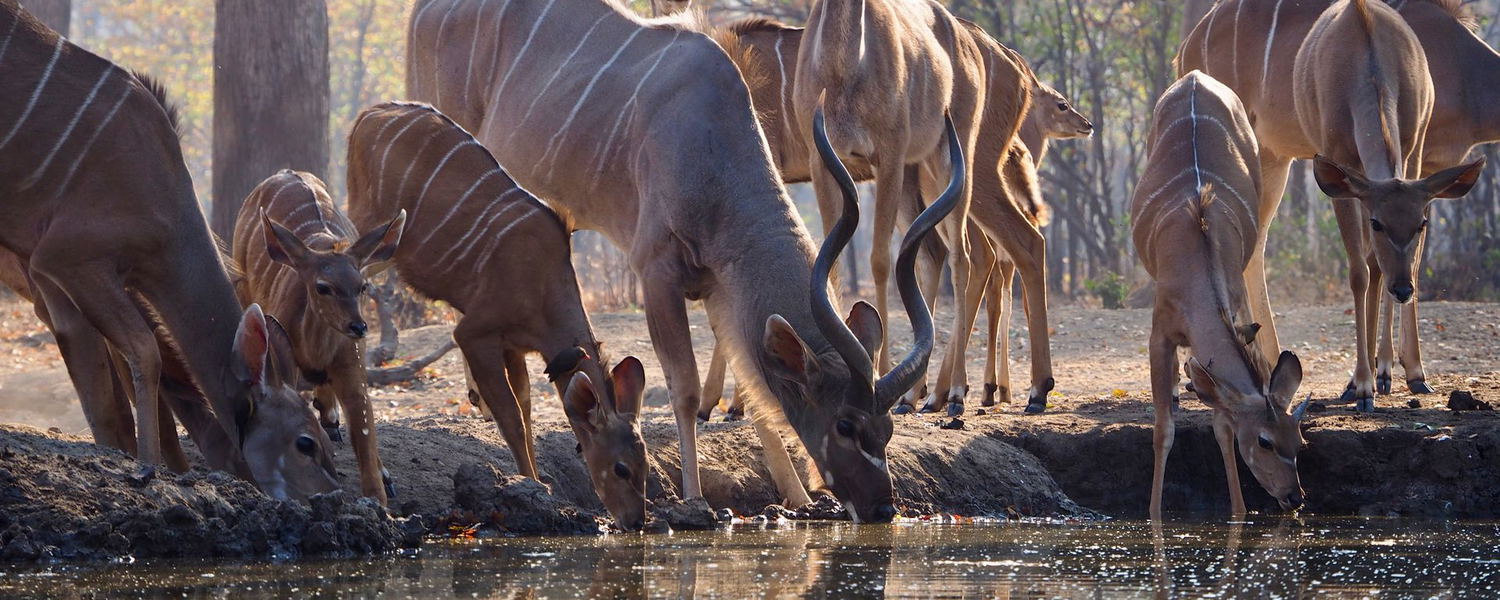
Why the Kalahari is not a desert
03 | What the land tells us
Posted on Fri September 4, 2026.
About salty water, hidden paths – and the wildlife that shows us the way.
Since our last update, there’s been plenty of activity on NG43 again. We’ve explored more of the land, tested more water, found more paths than we thought – and in doing so, learnt something that reminds us time and again: this land only reveals its answers to those who listen before they build.
The water that took us by surprise
When we found the first water on our concession a few months ago, we described it as the moment when an idea became a real place. Now, with the initial measurements in hand, we know more – and it’s more complicated than we’d hoped.
The water from our borehole has a TDS level of around 26,000. By way of comparison, seawater has a TDS level of around 35,000. So we are not far off literally drawing salt water from the ground at NG43.
This was not a moment of disappointment, but one of realism. Finding water was one thing. Making it usable is the next. We are currently exploring several options, including a desalination plant and the cultivation of the salt-tolerant Salicornia (glasswort), which could even be used in cooking. We haven’t chosen a solution yet. But we are convinced that even a problem like this can be transformed into something that suits this place, rather than fighting it.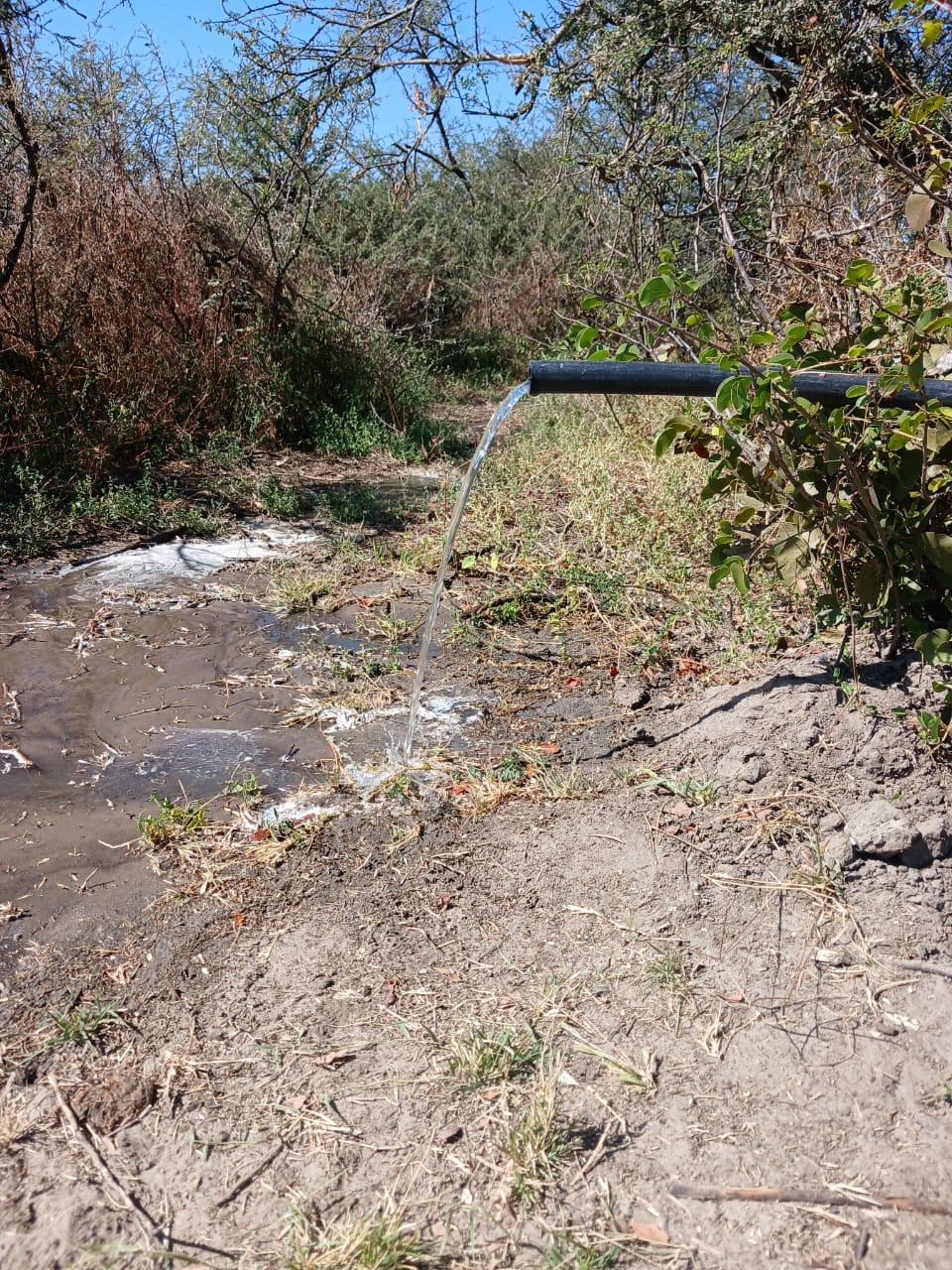
Paths swallowed up by the bush
The further we explore NG43, the more we discover traces of the concession’s past: old paths, long overgrown, barely recognisable, but still there, beneath the grass and undergrowth. We have begun to document them systematically – where they run, where they once led, which ones can be cleared and which ones the bush should be left to keep for itself.
We are already clearing some of them. Others form part of a larger plan: a network of tracks that will guide our guests through NG43 in future, without us having to tear up the land all over again. In total, we expect this network to comprise around 1,000 kilometres of tracks – though by no means all of them have been discovered or cleared yet. Much of it was already there – we just need to make it visible again.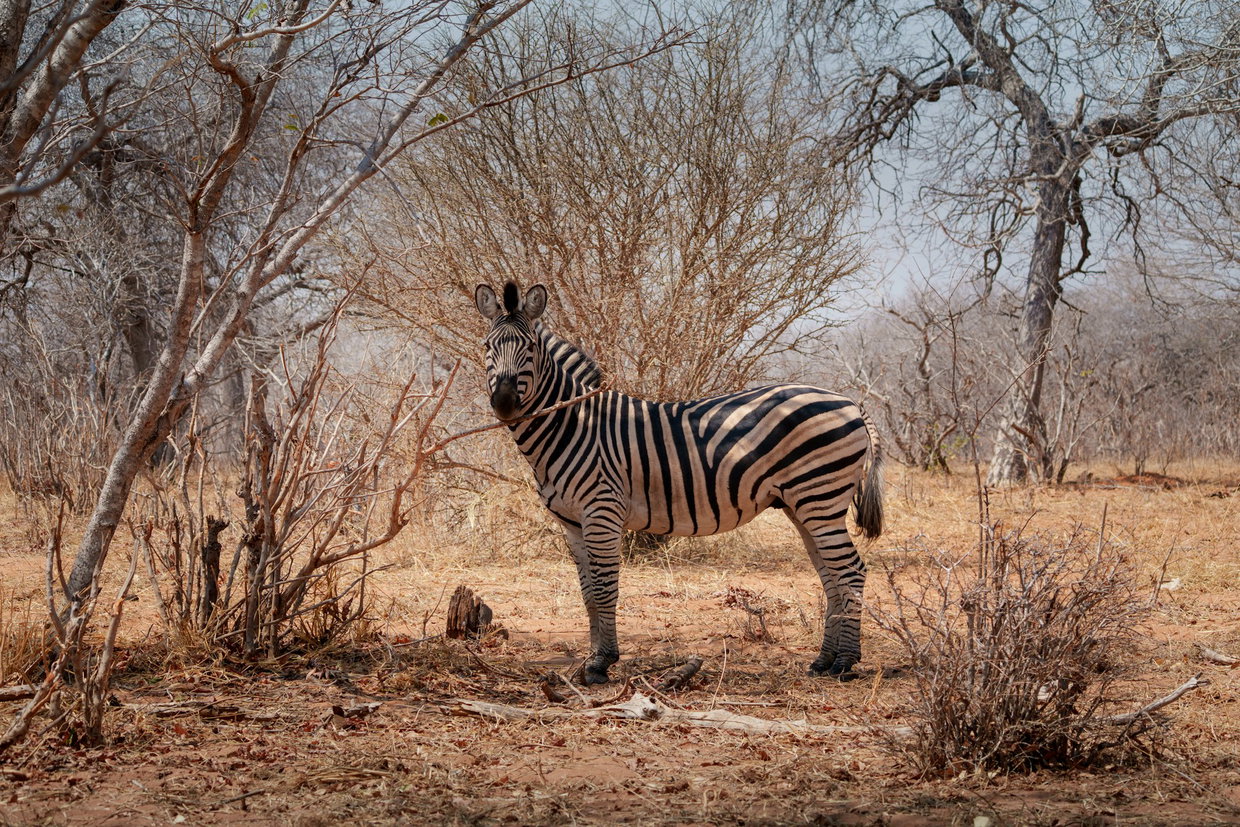
But before we plan trails, we need to know where the wildlife lives
A trail is never just a trail. It helps determine where guests travel, where it remains quiet and where animals are left undisturbed. This is precisely what makes the next task so important: we do not yet know enough about where elephants, lions, wild dogs or the rarer antelopes actually prefer to spend their time in NG43, where their routes to the waterholes lie, and which areas are particularly sensitive for them.
Without this data, we are planning in the dark. That is why we are gathering this knowledge before we finalise a single trail.
Building our Wildlife Monitoring Team
Based on this realisation, we are currently setting up our own Wildlife Monitoring Team. Their task: to record sightings, set up and analyse camera traps, track movement patterns across the seasons, and thus gradually draw up a true map of life on NG43 – one that shows us where we need to tread carefully and where we can build without causing disturbance.
It is still early days, and the team is only just growing. But we are convinced that it is precisely this work that makes the difference between a lodge that simply stands on beautiful land and one that truly belongs to that land.
Water, trails, wildlife – three threads that are currently being woven together. None of these stories is yet complete. But that is precisely what NG43 is: a place that reveals itself step by step, if you are prepared to listen to it.
NG = Ngamiland
‘NG’ stands for Ngamiland, the district in northern Botswana which is home to the Okavango Delta. The wildlife concessions in the region are numbered consecutively (roughly NG1 to NG50) – hence the combination of letters and numbers.
NG43
Our concession is situated in the Greater Moremi area on the edge of the Okavango Delta, on the Khwai Road, in north-eastern Botswana.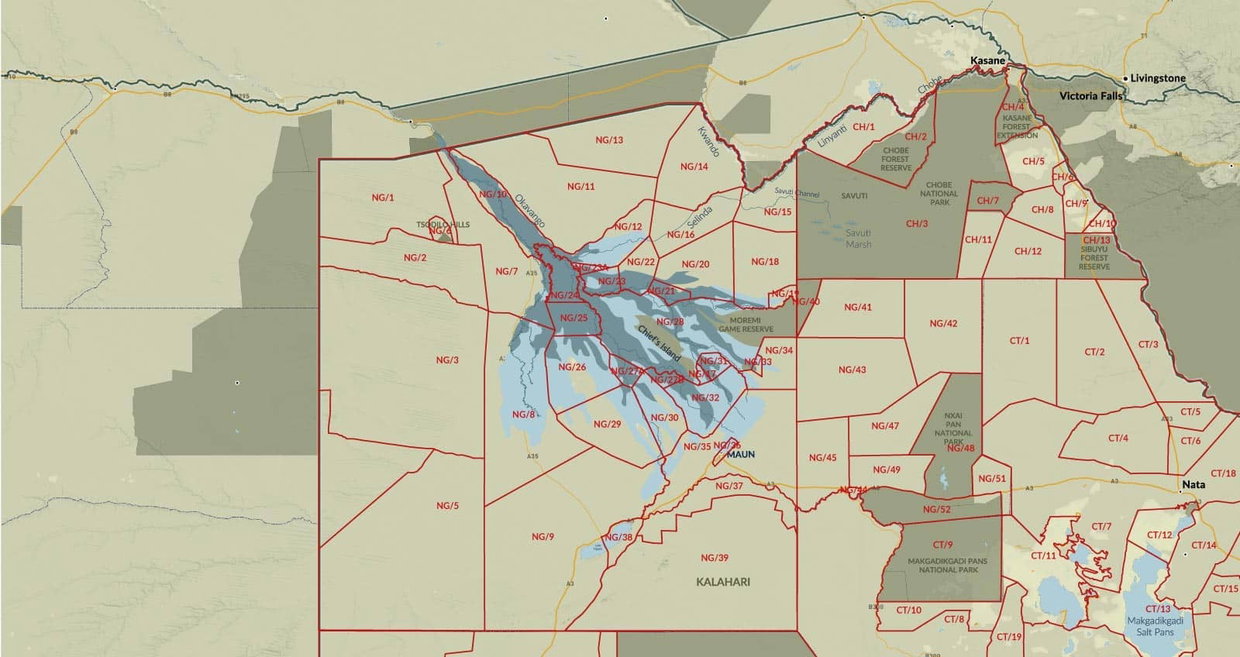
Anyone wishing to follow the development of NG43 can find out more about our conservation work at the Kwatale Association.
Further Reading
02 | What we plan to do with this land
Wed July 29, 2026
Read This Article
About the history of NG43 – and the path we have chosen to take.
01 | No roads, no water – and yet the right place
Thu July 16, 2026
Read This Article
Our first few months in the wilderness: just how vast and wild it really is, how we crossed it without a single road, and how the search for water determined everything.
Share This Post